
Guilford County Resident Lookup Records
A Guilford County resident lookup is a comparison of official records, not one master roll. The property system can identify an owner of record, a parcel's situs address, and a tax-mailing address. Voter data can confirm a registration status and precinct. Court material can identify a party and a case. Vital, business, license, obituary, and cemetery sources each add dated context. The date and the field matter: a tax mailing address, for example, is not proof that someone occupies the parcel.
| Record | What it can confirm | Guilford source | Access |
|---|---|---|---|
| Tax parcel | Owner, situs, mailing address, legal description | Real Property Listing | Free public search |
| Voter record | Status, precinct, district, and public registration fields | NC Voter Search | Public fields are limited by law |
| Court case | Party role, case number, dates, and disposition | NC eCourts | Public portal and clerk routes |
| Vital event | Eligible birth, death, marriage, or divorce request | NC Vital Records | Event and eligibility rules apply |
| Business or license | Filed entity role or credential status | NC SOS search or NCBOLD | Public fields vary |
For family history or reconnection, start with a full name, middle initial, approximate year, city, or historical occupation. That small anchor reduces same-name confusion.
Search Guilford County eCourts by Name
Guilford County is in North Carolina's 24th Judicial District. The Judicial Branch says eCourts became live in all 100 counties on October 13, 2025. Its portal is statewide, while the local Clerk of Superior Court still holds files, public terminals, and copy routes. Start with the party name and use Guilford as a location filter when the result set is broad.
| eCourts field | How it is used |
|---|---|
| Smart Search party name | A search criterion is needed. Wildcards require at least three last-name letters plus *; a first name can use one letter plus *. |
| Business name or case number | Wildcard entries need at least four characters plus *. |
| Case type and division | Optional filters include civil actions, nonconfidential special proceedings, estates, and criminal matters. |
| Location, date, and status | Use available filters to narrow to Guilford and a useful period. |
| Hearing and judgment search | Search by case, party, business, attorney, bar number, officer, courtroom, or available judgment filters. |
North Carolina's eCourts training resources explain Smart Search, hearings, and judgment search before a person name is entered. Registration is not required for anonymous public searching; an account only saves My Cases and does not expand public access.
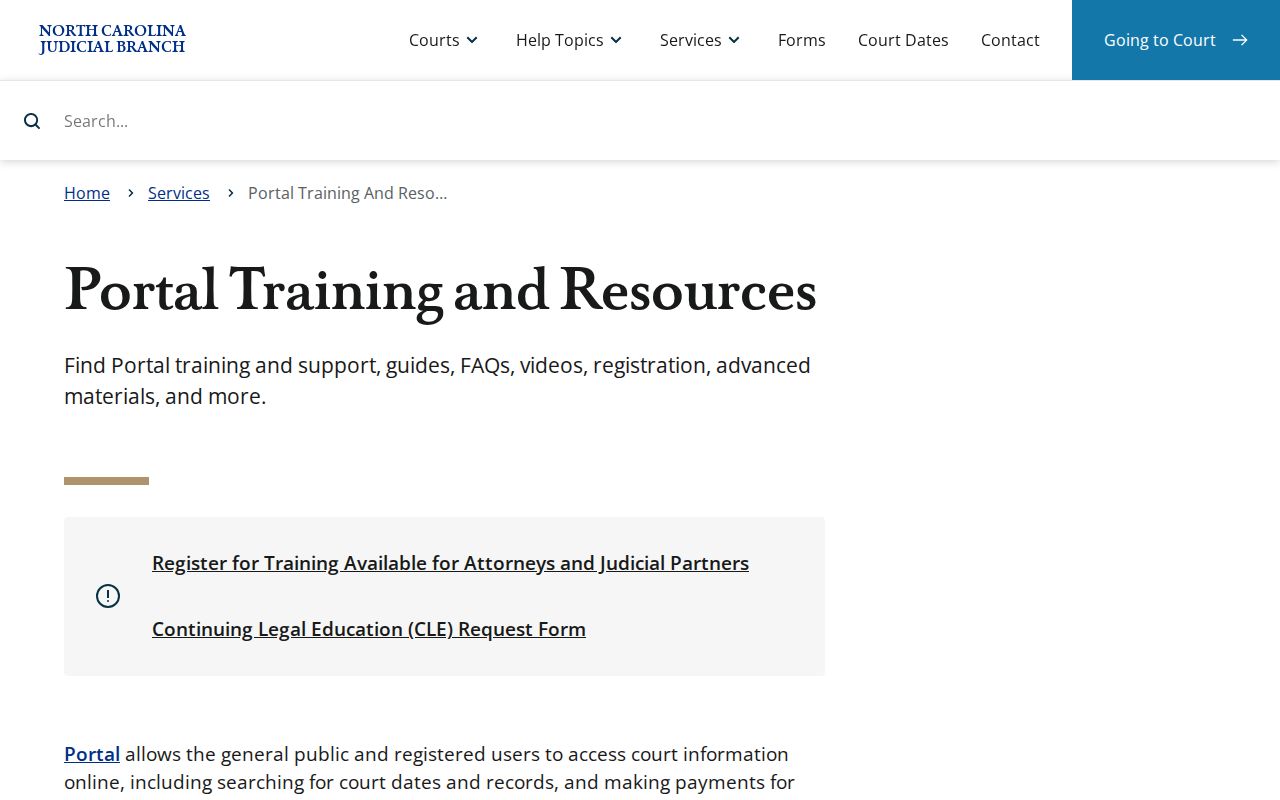
The training page is the safer field reference when the vendor portal changes. A public result is a case trail, not a finding that a person currently lives in Guilford County.
Read a Guilford eCourts Result
Smart Search can lead to a Case Summary or Register of Actions with a case number, party name and role, case type, filing or index date, location, status or disposition, events, hearings, causes of action when shown, and financial information when applicable. Judgment Search can show a case number, disposition status, index date and time, parties, and comments. Record those identifiers before asking the clerk for a copy.
- Compare the party role and location before treating two same-name results as one person.
- Use the case number as the key for a hearing or clerk request.
- Read a disposition as a case outcome, not as a statement about present residence.
- Expect linked images and details to vary with the record and public access rules.
Confidential, sealed, juvenile, protected, and expunged material is not a normal public result. A no-match result does not establish that no record exists. Test spelling variants, other party roles, a business name, and the Guilford location filter, then use the clerk terminal if the file is the correct custodian route.
Verify a Guilford County Resident Record
Verification works best when each record supplies a different piece of the puzzle. A parcel can anchor an owner name to a legal description. The voter search can confirm a registration status. A court result can confirm a party name and case date. An eligible vital request can test an event fact. Do not force the sources to say more than they do, and do not use a court party hit or a property mailing address as proof of current presence.
- Search the Guilford property portal with Last, First or a full address, then record the owner, situs, mailing address, and parcel detail separately.
- Run the name and sensible variants in eCourts, using the county filter and case number when one is known.
- Use NC Voter Search with a full name, optional birth year, county, and a selected status to compare public registration information.
- Route an event record to the Register of Deeds, Clerk, or NC Vital Records, then request a certified copy only when eligibility permits it.
- Docket
- A court's running list of filings, events, and actions in a case.
- Index versus image
- An index identifies a record and its fields; an image is the underlying document or scan, which may have separate access rules.
- Certified copy
- A copy issued by the custodian with official certification. Eligibility, fees, and the proper office depend on the record.
Use Guilford County Voter Search Fields
The NC Voter Search requires a first name, last name, and at least one voter-status choice. Middle initial, year of birth, and county are optional, but selecting Guilford helps narrow a name. Status choices are Registered, Removed, and Denied. A result can provide jurisdictions, polling place, a sample ballot when available, absentee information, and voting history. It is a status tool, not a household directory.
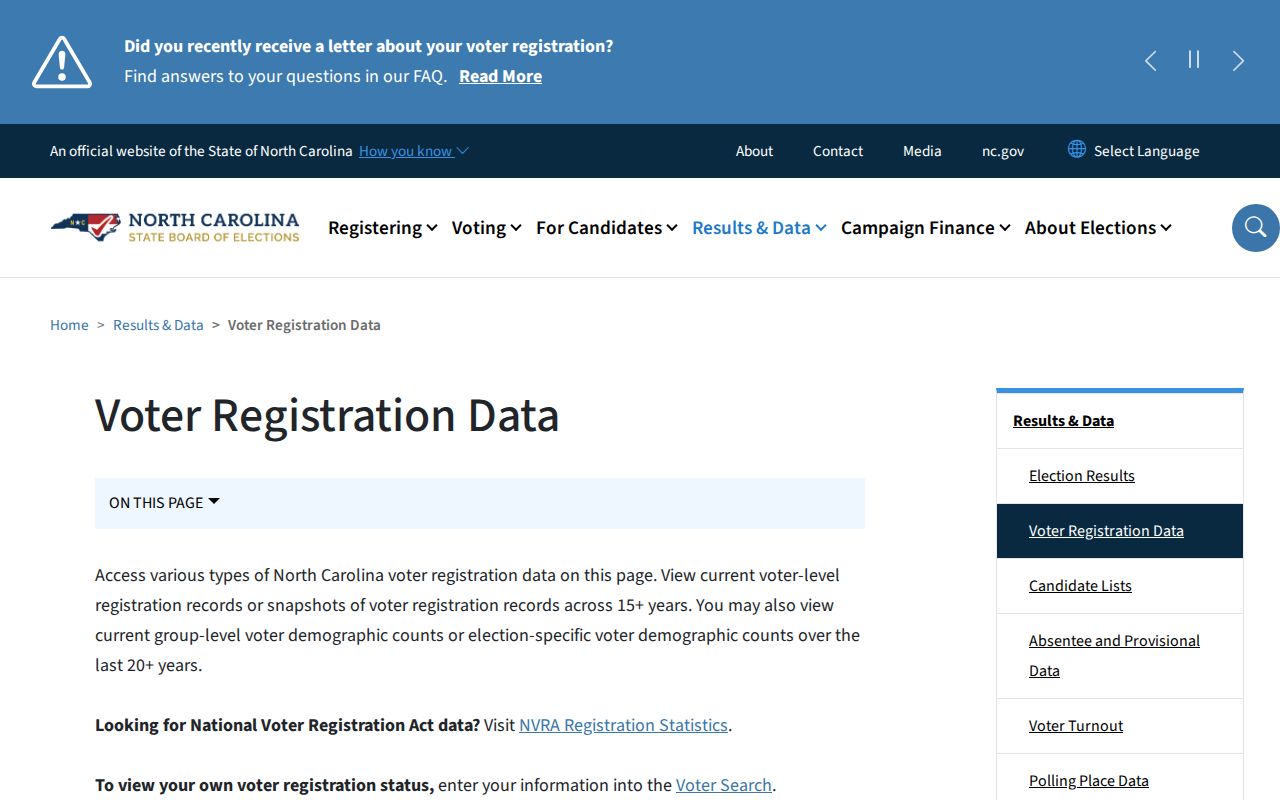
North Carolina voter-registration data describes public file categories and weekly Sunday updates. The file includes public status and reason, demographics, party, address, county, precinct, and district information. Full date of birth, Social Security number, driver-license or ID number, and signature image are protected under N.C.G.S. § 163-82.10. Removed voters whose last vote was more than ten years ago can be omitted from the file.
Route Guilford County Vital Records
Vital records answer an event question, not a broad identity question. Guilford's Register of Deeds handles local birth, death, and marriage copies and licenses; the Clerk holds divorce judgments and files; NC Vital Records handles statewide certificates and searches. NCOVR ranges listed in the research are birth 1913-present, death 1930-present, marriage 1962-present, divorce 1958-present, and fetal death 2001-present. Eligibility for a certified copy is event-specific, especially for birth and adoption information.
Guilford County vital-record instructions state a $10 local certified-copy fee and identify accepted photo ID. Local death records reach back to September 1911; the office states a three-working-day local-request process. The state genealogy search costs $24 per three-year period whether found or not. Older births, deaths, marriages, and divorces route to the Register, State Archives, or Clerk as appropriate.
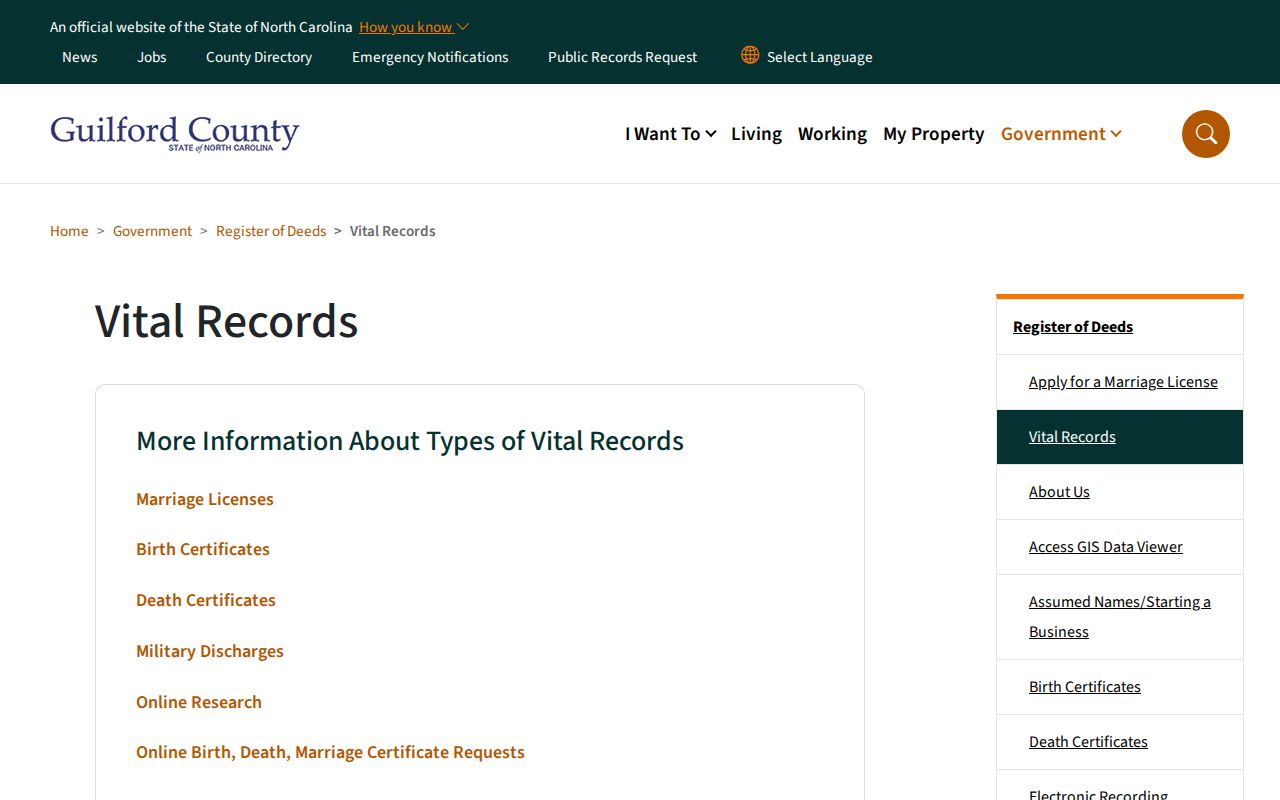
The request instructions show why an event name alone is not enough. Depending on the event, the state order process asks for names, date and place, relationship, and other event facts, with an eligible requester and identification where required.
Guilford Resident Lookup Same-Name Traps
Myth: one matching name proves the record belongs to the person sought. Guilford County records hold different roles at different dates: tax owner, voter, court party, deed grantor or grantee, business officer, and a person in a historical directory. Compare a middle initial, date, city, parcel description, spouse or relative reference when publicly present, and the record's date. A good match has several compatible facts, not just one name.
For a former classmate, use dated yearbooks and historical collections. For an estate question, use a public estate or special-proceeding file and distinguish a petition allegation from an adjudicated relationship.
When Guilford Records Return Nothing
Use the custodian's fallback route rather than guessing. The Guilford Clerk's public self-service terminals cover civil, special proceedings, estates, and criminal records, while paper files remain with the county where the case is located. The Clerk of Superior Court can route copies and certified copies. For civil-process status, Guilford's Civil Process Lookup is a separate county search channel.
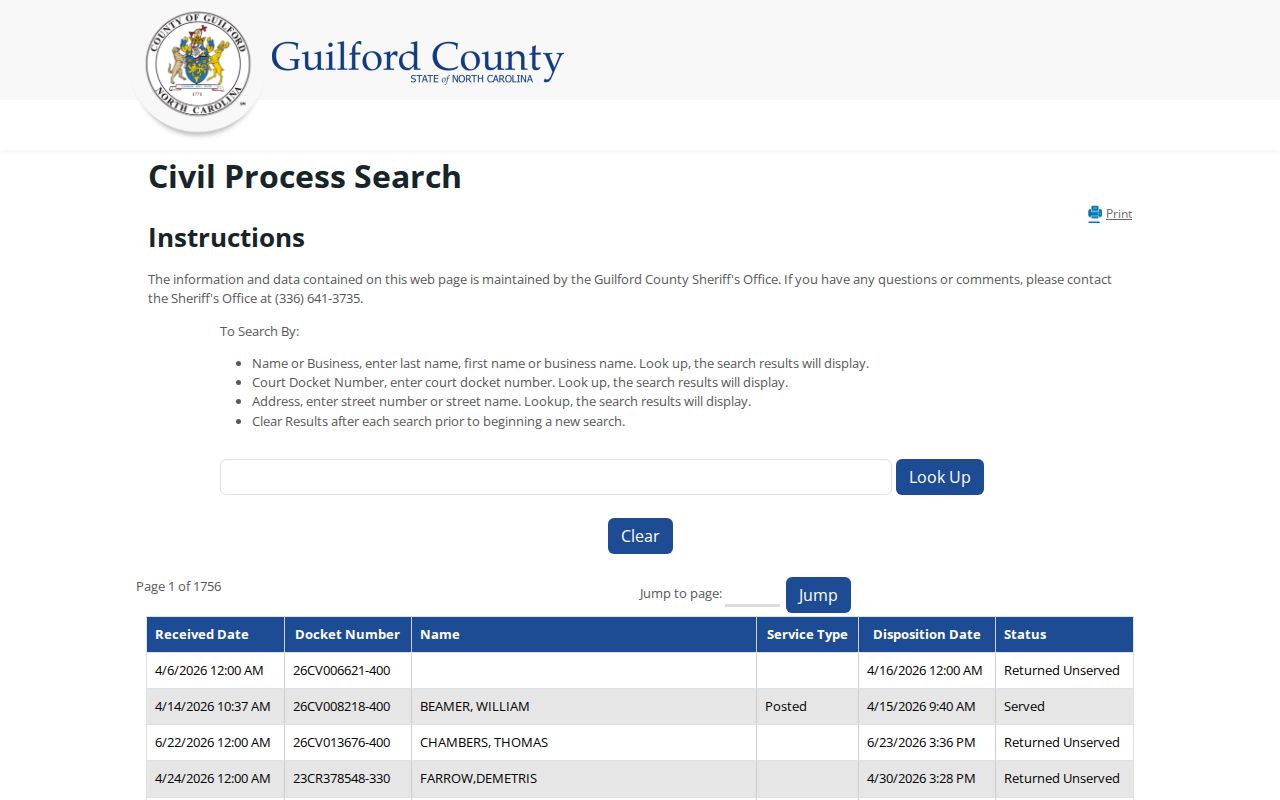
The civil-process tool is a specific status source, not a substitute for a court file. A Chapter 132 request should ask the actual custodian for an existing record, date range, field, and record type. Greensboro's form asks for contact information, delivery method, subject, and a detailed description, then sends a tracking number. Guilford Board of Elections estimates 7-10 business days for data requests.
Guilford Resident Lookup Legal Limits
North Carolina Public Records Law, N.C.G.S. Chapter 132, provides a route to inspect existing public records while allowing required redaction and custodian review. Voter protections cover full date of birth, IDs, Social Security numbers, and signatures. The federal Driver's Privacy Protection Act restricts DMV personal data. Vital laws limit certified copies and sensitive fields. The NC Address Confidentiality Program, administered under Chapter 15C, uses substitute addresses for eligible participants and requires care with protected location information.
The NC SBI Sex Offender Registry is an official, limited registry for people who are required to register. It is not a universal resident source.
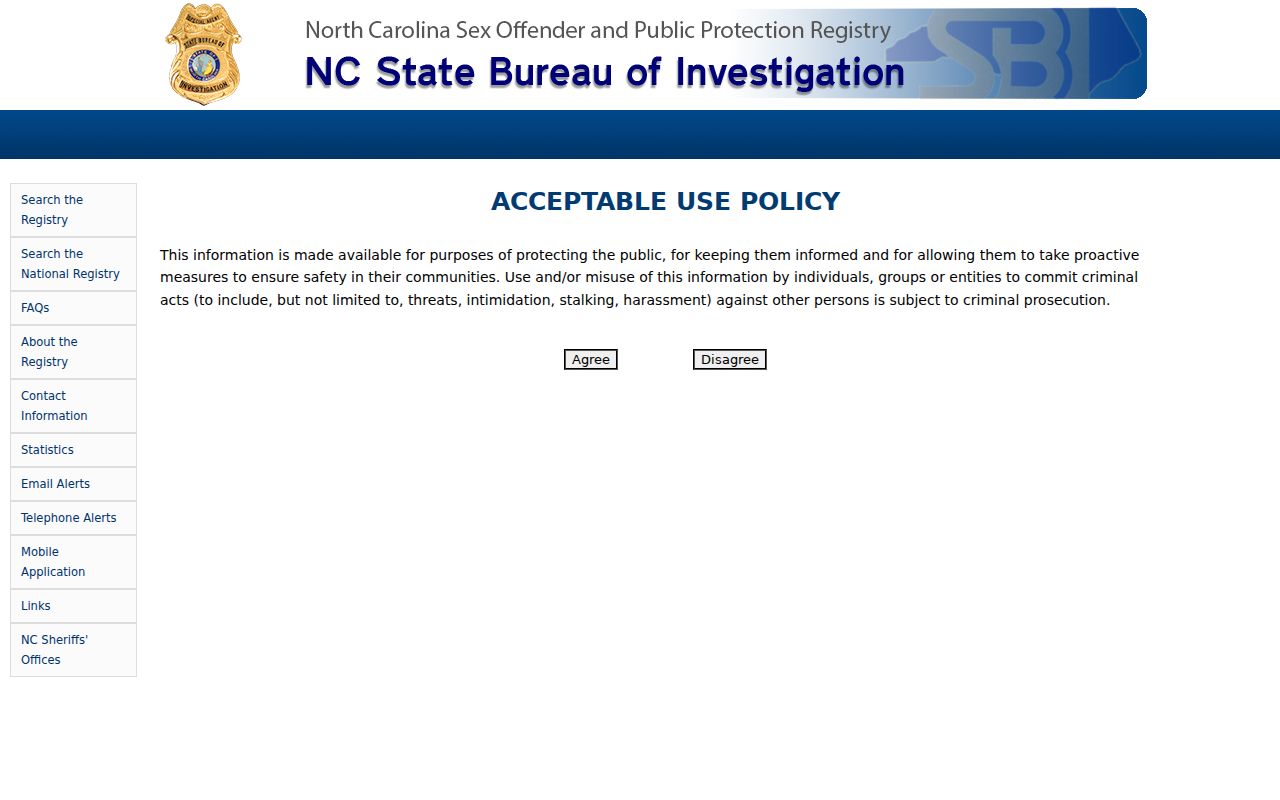
Registry status and address information can change, and names or dates of birth are not unique. The SBI cautions that positive identification requires fingerprints.
Note: An empty voter, court, or registry search may reflect a protected, sealed, expunged, removed, juvenile, or spelling-variant record rather than the absence of a person or event.
Correct a Guilford Record With Its Custodian
Send a correction to the office that owns the record. Tax Transfers handles supported ownership-name changes; the Board of Elections handles voter corrections. The Register can correct an indexing error, not rewrite an original instrument. Vital Records handles certificate amendments, the Clerk handles court-file questions, and the Secretary of State handles entity filings. Keep the record date, case, document, or parcel number and a screenshot.